Skip to content

Clothing

Pirate Fashion Was Dirtier Than the Costume Rack

Real pirate clothing was practical, stolen, patched, filthy, and adapted to hard work at sea. The costume rack remembered the sash and forgot the smell.

Pirate Fashion Was Dirtier Than the Costume Rack
Warm realistic oil painting of pirate clothing, sash, vest, boots, and shipboard costume pieces on a workbench. View full-size artwork

Real pirate clothing was practical, stolen, patched, filthy, and adapted to hard work at sea. The costume rack remembered the sash and forgot the smell.

Choose your route

Pick Your Next Bad Idea

Start with workwear, then move through stolen finery, props, costume myths, practical guides, and the parts Hollywood over-polished.

Oil painting of a pirate captain's practical clothing, sash, coat, and maritime gear. Myth check

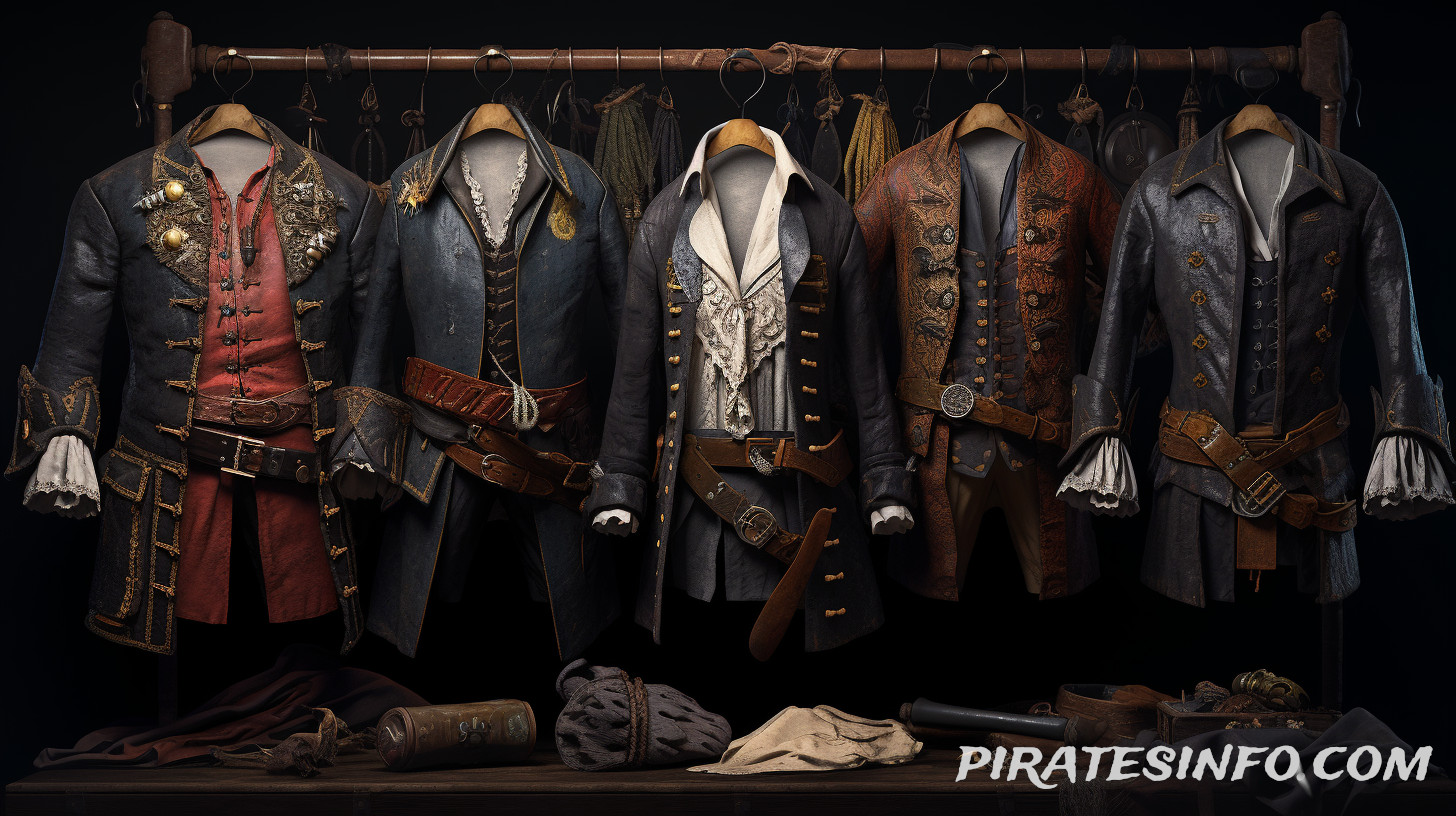
Pirate Clothing: Unveiling a Stylish Pirate Captain

Pirate captains came from various backgrounds: some were officers on merchant, privateer, or naval ships, some climbed the pirate ranks, while others led mutinies. Regardless of their origins, many pirate leaders likely...

Oil painting of pirate clothing pieces with a sea chest, boots, scarves, and working garments. Myth check

Pirate Attire Series: Unveiling a Swashbuckling Style

Hollywood, influenced by artists like Howard Pyle and N.C. Wyeth, has shaped a flamboyant pirate image: oversized hats, baggy shirts, long boots, and distinctive sashes. This portrayal, while captivating, is mostly a pro...

Oil painting of Caribbean buccaneer clothing with hunting shirts and practical frontier gear. Myth check

Pirate Clothing: The Swashbuckling Style of Buccaneers

17th-century Caribbean buccaneers, originating as Haitian hunters, wore distinct clothing. Their attire, distinct from typical pirates, included long hunting shirts, similar to 18th-century backwoodsmen. Lacking breeches...

Oil painting of Golden Age pirate clothing with loose jackets, headscarves, trousers, shoes, and deck-worn fabric. Myth check

Pirate Clothing Series: The Golden Age 1700 to 1740

In 1716, Robert Drury described pirates with detailed attire, indicating common pirate appearance. Typically, they wore short, loose jackets, different trouser styles, shoes (not boots) and various headgear, like bandann...

Oil painting of Tudor-era pirate clothing with smocks, maritime footwear, and sixteenth-century sailor dress. Myth check

Pirate Attire Series: Unveiling Tudor Era Pirate Clothing

16th-century pirates sported practical attire fitting their maritime environment. Their signature wear was the smock, akin to short shirts. Discoveries from the shipwreck 'Mary Rose' highlighted diverse footwear, from sl...

Oil painting of practical pirate clothing as repaired sea-worn workwear. Working clothes

Pirate Fashion Was Sweaty First

Less costume rack, more stolen workwear.

Less Costume, More Stolen Laundry

Pirate clothing makes more sense when it starts with labor. Sailors needed clothes that could handle sun, salt, wet decks, rope, sweat, repairs, and long voyages. They also stole, traded, patched, reused, and sometimes dressed for status or intimidation. The result was more practical and more varied than the standard costume suggests.

This hub separates useful clothing history from stage pirate shorthand. Captains could dress differently from ordinary crew. Buccaneers did not look exactly like later Golden Age pirates. Tudor sea clothing belongs to an earlier world. The fun is in seeing how workwear slowly became a legend people could wear.

Use these routes when you want a costume to look more intentional, or when you want the real clothing story behind the boots, sashes, shirts, scarves, and stolen finery.